Saturday, February 3, 2018

Random Happenings

Stuff's been happening.

Man, where do I even begin? I guess where I left off.

My work hours have increased quite a bit. I had to shut down the pediatric weight loss clinic due to lack of interest. We bought a house. I've been giving weight loss/nutrition presentations all over. Writing has filled most of my free time, just not on here.

Long ago, my people used to live in these mountains. Eventually, the government took their land and kicked them out. Yellohed and I spent an incredible weekend just exploring the beauty of this area. I can't help but wonder if they ever got over being forced from such an incredible place, or if the pain just festered in their chest and the sense of longing grew greater.


I got to spend some time with my family at the beach. The best part is the long walks and deep conversations alone with random members of the family that I would never get the opportunity to do so with otherwise.

I'm always amazed at the abandoned structures that you can find while meandering about the woods. I always stop to check them out. I'm not really sure why. I think it's half hoping to find some long lost treasure, and half hoping that I'll solve a murder case out there.

Nope nope nope. Not goin' in there. 
I got a bunch of chickens! The little puffballs peeped the entire ride back in my car, and spent most of their early life in this little setup until they were big enough to hop out and poop all over my tools. Now they just poop all over my lawn.


We got another puppy too. We finally had the space and the time to justify being able to do so. Meet Atticus. He now knows how to herd chickens, chases cats off our land, and has the strange ability to find geocaches before me.


I've been getting further and further into woodworking. A friend who's been showing me a lot got me this book some time ago, and it is hands down the best book on woodworking that I have ever read. You've gotta check this one out.


I spent a little time on an island. It was incredible. We stayed right at the tip where the currents would take a man out to sea to forever disappear, but routinely gave back Go-Pros, sunglasses, goggles, and other random items throughout our time there.


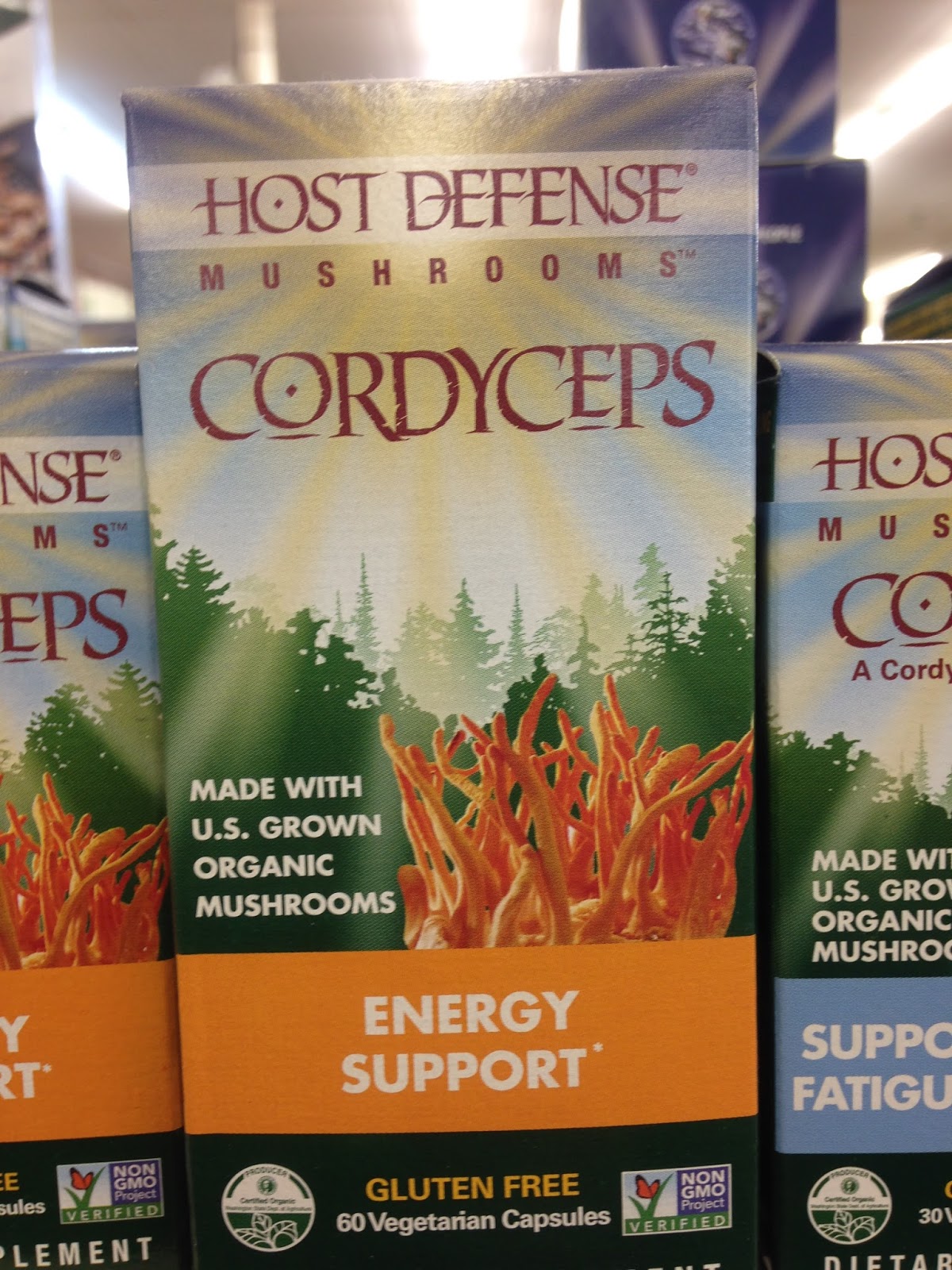
I've spent a little time wandering around the health food stores. I'm routinely blown away by what I find in there.

The brain eating zombie fungus? Uh, nope. I know about The Last of Us.  

A great way to lose weight, I hear. 

Atticus has become a squeaker surgeon. This is essentially all of his toys by the end of Day 1.


We've been buying blueberries with a self-esteem issue.


And I traveled to an area that was nothing but sand. Yellohed spent most of the time indoors, but I roamed the sands, checked out the wildlife, and went sledding down ginormous dunes with an old plastic piece of junk I found.


Saturday, January 20, 2018

What the Government SHOULD do if it Wants to Combat Obesity

I've written before HERE and HERE here about how crappy the government does when it gets involved with anything weight loss related.

Their knee-jerk reaction is to create new policy, and usually this involves increased taxes, some form of punishing fine, and often a reduction in personal freedom as well.

We saw this with the Philadelphia Beverage Tax. We saw this with tobacco. 

And I've written my ideas about what we can actually do without infringing on peoples' freedoms that might actually work. Building sidewalks. Mandatory public school P.E. Not allowing crap food to be bought with food stamps.
Seriously? The candy aisle? 

But I've been reading a lot of farming books lately, most notably Joel Salatin and Michael Pollan, and they've raised another issue that I think would help tremendously.

If you want to fight the obesity epidemic, eliminate all corn and soybean subsidies.

Now that's radical.

It'll never happen.

But it would work.

Corn forms the basis for high fructose corn syrup (HFCS). By eliminating all government subsidies for corn production, the price of high fructose corn syrup goes up. If the cost of HFCS skyrockets, food producers have to either: A) look at other options for what they're sweetening their food with, or B) raise their current food prices.

Wait a minute. Raising food prices? Isn't that a bad thing?

Well yeah, it would be. For processed foods though (and I use the term "food" loosely here). There's mounting evidence that it is actually processed foods that are leading to the "Western" diseases (CAD, diabetes, hypertension, metabolic syndrome, etc) that we are seeing epidemics of today.

Now, we don't know all of what is in processed foods that is making America sicker, but we do know that HFCS is one of them. A fascinating study on 18-40 year old adults showed that when they consumed HFCS beverages for just two weeks, their blood serum cholesterol levels shot through the roof. Two weeks!

Think of all the good that could be done by lowering the amount of HFCS that the public consumes on any given day! In the long run, we're talking about decreased heart attacks, decreased strokes, less obesity, less diabetes, less arthritis, and so on. That's a huge deal!

Look at what would happen with soybean production. Soy is the major component used in American vegetable oils, which aren't the most healthful cooking option out there either. Less soy = a healthier public.

All of this is done without infringing on any rights or freedoms out there whatsoever.

Further pros? 

The elimination of some government subsidies to begin with.

Why do your tax dollars go towards propping up an unsustainable industry? If the corn or soybean industry can't support itself, isn't that a sign that something needs to change? Let the market correct itself. Don't attempt to support a water bed with a few pointy sticks. The end result is only a big mess.

Government subsidies of any industry only leads to the theft and redistribution of peoples' hard earned money towards something they may not even agree with. Why is my money going towards making people fatter? Why is my money causing people to die sooner? Does this bother anybody else?

Next, I'd argue that the elimination of these subsidies would further be better for the soil. Before you go off thinking I'm advocating soil health over full stomachs, hear me out. There's increasing evidence that poor soil equals less nutrition in plant foods. We're now learning that what it is that you eat eats actually matters as well. Take beef. Cows in commercial lots are fed corn (which they eventually get sick and die from), cow manure, hormones/antibiotics out the wazoo, and other dead cows. The end result? Meat that was built off of all that and the potential health consequences that it brings.

The same applies with produce. Plants eat too, if you will, and they get their food from soil. Poor soil = poor produce. You'd have to eat four apples today to equal the amount of iron that was in one apple from the 1930's. That's nuts. And iron isn't the only nutrient that our foods have lost much of either.

We know that despite America's growing waistline, a good portion of all people are actually malnourished. This malnourishment in turn could be the cause of a number of other health problems, such as rickets that the US population is now facing.

And what about the increase in food allergies?

What about pesticide residues on crops?

Large swaths of monocultures means large amounts of pesticides needed to keep the crop healthy. Monocultures can't survive without pesticide use. If a fungus or blight runs through your 500 acre crop of corn, it can spread like wildfire, and you're out of a job. Pesticide residue = problems for both your health and the environment's.

What about environmental damage or even water pollution due to poor farming practices?

Once again, less pesticides, less pollution due to runoff. That means healthier fish, healthier water, and healthier soil.

All of these have negative effects on human health, and I'd argue that we're just beginning to scratch the surface of what all of these are.

Eliminating subsidies would force farmers to find more sustainable, more profitable, and better for our health farming practices that would only serve to benefit everyone but the major food processors in the long run.

The cons

Food prices. That's the first thing that popped up in your head, and it's been bouncing around in there ever since. And yeah, without a doubt food prices would increase. But again, that's only for processed foods.

This in turn causes people to look for other options. What are the options to processed foods? Natural foods! Ding ding ding! You're a winner!

When you get people eating natural foods amazing things happen to their health. Less cancer, less heart disease, less illness, less inflammation, and so on.

Job loss. I'd argue that this isn't really the case.

But wouldn't poor farmers lose their jobs?

To start off, farmers that get involved with corn or soybeans are royally screwed from the beginning. That's the reason the entire middle of the U.S. is corn. You operate at such a loss that the only way to possibly survive is to plant hundreds of more acres of corn. In essence, it's subsistence farming. The best way for a farm to survive is diversification. Just like any well-rounded retirement fund, when you diversify what you produce as a farmer, you stand a better chance of profiting.

Why? There's less impact from disease. You may lose your corn crop, but if you have 12 other things you're also raising/growing then you can take the punch much better than you'd be able to if corn was the only thing that you grew.

To Wrap it All Up

Look at all these potential benefits we would get from just that one change. All done without ever infringing on anybody's freedoms. In fact, we'd be further creating an environment for freedom to reign because we'd quit stealing people's money to support something unnecessary! That seems to be what trips up public health officials the most. Freedom.

Just one little change, and it could potentially save a WHOLE lotta lives.

Wanna read more? 

Folks, This Ain't Normal
In Defense of Food
The Omnivore's Dilemma
Fast Food Nation

Friday, January 19, 2018

Cook Your Food, Ya'll

Saw this in the news yesterday.

Tapeworm Came "Wiggling Out" of Man's Body

Maybe this is the public health part of me, but the first thing I thought was, "I wonder where it came wriggling out of?"

Wednesday, March 1, 2017

Why the Philadelphia Beverage Tax is Stupid

I've written before on here about how it seems like public health students somehow can't reason beyond sky-high taxes when it comes to fixing a problem.

Lung cancer? Tax cigarettes.

Heart disease? Tax TV companies.

Obesity? Tax Coca-cola?

Sadly, those small-minded public health students get jobs as small-minded politicians and public policy makers as evidenced by what happened in Philadelphia back on January 1.

It was then that Philly passed the Philadelphia Beverage Tax where all sodas as well as any "non-alcoholic beverage, syrup, or other concentrate used to prepare a beverage that lists as an ingredient any form of caloric sugar-based sweetener" are to be taxed at $0.015/oz. (1)Coca Cola, Cold Drink, Soft Drink, Coke, Soda

That sounds like a good way to decrease people's sugar intake, right? I mean if websites like kickthecan.info tell us the facts about how sugary beverages leads to health problems, shouldn't we target the source? Sugary beverages, right? 

The consequences of such a short-sighted policy were never considered though. I've found this to be quite commonplace in the public health field. Nobody thinks about the businessman.

Supermarkets in Philly are now reporting a 30-50% decrease in beverage sales. (2)

But isn't that a good thing? We won! People aren't drinking as much soda!

Yeah, but that also affects the supermarket. Decreased sales = less employees. Any businessman can tell you that you can't take a drastic hit and keep your staffing the same and expect to survive.

And as a result, supermarkets, beverage distributors, and other marketplaces which sell sugary drinks are facing massive layoffs.

Jeff Brown's ShopRite is cutting 300 positions
Canada Dry Delaware Valley is cutting staffing by 20%. (3)
And a number of other beverage sellers are reporting similar staffing issues and impending layoffs.

Congratulations! You're skinny now! 'Cuz you have no food to eat!

This is policy abuse, government meddling, and shallow thinking at its worst.

Aside from the loss of jobs, think of the loss of taxes that that's going to mean for Philly. No more income taxes for those people. The things they normally would have bought with their paychecks that would generate sales tax aren't going to happen. The normal sales tax that would have been generated by soda sales is now gone as well as people don't want to buy soda in Philly at all anymore.

And how did the policy makers respond when they found out how terrible their plan was in reality? They fell back on calling it "fake news", saying that the numbers that grocers were relaying were fabricated. (1)

Ya'll. This is ridiculous.

What about this makes sense? If you really want to make an impact on people's health do something constructive.

Build more sidewalks. Build bike lanes. Build parks. Put mandatory P.E. back in schools. Put mandatory health classes back in schools. Create awesome tax incentives so that grocers open up in 'food deserts' in the inner city.

THAT is how you fight obesity. NOT by restricting peoples' freedoms.

Thursday, January 12, 2017

You've Had a Good Life

75 year old man: "You know, the saddest day in our life was...oh crap. I can't think of it now."

Thursday, October 13, 2016

The Tycoons

I've been doing a fair amount of reading on the original American tycoons. Vanderbilt, Rockefeller, Carnegie...I suppose those are the main ones I've read. I'd like to read about J. P. Morgan next.

I find it interesting the way that those men handled their money though. There are definitive patterns that can be found in each of these men's lives.

Here is what I've noticed:

1) They absolutely hated being in debt - And as a result, they were never in it.

2) They kept large cash reserves - to help them not only in emergency situations, but to allow them to invest heavily at a discounted rate when markets crashed.

3) They invested - All three of these men were incredibly frugal. They didn't spend their money lightheartedly. What they did do though was invest. They looked for ways to make their money grow.

4) They owned businesses - Usually multiple, or at least had stakes in multiple.

5) They worked their heinees off - All three of these men lacked any form of laziness whatsoever.

Tuesday, April 19, 2016

Top 10 Favorite Books

I do a lot of reading, typically burning through 2-4 books a month. Here's a list of some of my top favorites though.


  1. Lord of the Rings, by JRR Tolkien
  2. Les Miserables, by Victor Hugo
  3. The Silmarillion, by JRR Tolkien
  4. Dracula, by Bram Stoker
  5. Frankenstein, by Mary Shelley
  6. Journal of the Plague Year, by Daniel Defoe
  7. Desperate Passage, by Ethan Rarick
  8. The Hunchback of Notre Dame, by Victor Hugo
  9. The American Plague, by Molly Crosby
  10. The Children of Hurin, by JRR Tolkien